


Best Beaches in South Devon and Where to Stay Nearby
‘South Devon’ and ‘beaches’ go together like clotted cream and scones, but with plenty of craggy cliffs, coves and...


Follow in the footsteps of Raynor and Moth Winn and explore the beautiful places that featured in The Salt Path with this comprehensive guide.
Following the release of the hit Hollywood blockbuster, we’ve put together this guide covering all the hotspots that the couple visited, both in the film and in real life.
So, if you’re going to the South West for your next break and want to see the best of the coastal path for yourself, then you’ve come to the right place!
Keep scrolling to discover the iconic filming locations from The Salt Path…
The Salt Path is a memoir written by Raynor Winn about the incredible journey that her and her husband, Moth, embarked on after Moth was diagnosed with a terminal illness and the couple becoming homeless after a failed investment in a friend’s company. Originally released as a book in 2018, it was transformed into a heart-wrenching movie in 2025 and tells the story of their travels along the South West Coast Path, covering some of the most beautiful beaches, towns and villages in the South West.
• Somerset
• North Devon
• North Cornwall
• South Cornwall
• South Devon
• Dorset
• Frequently Asked Questions
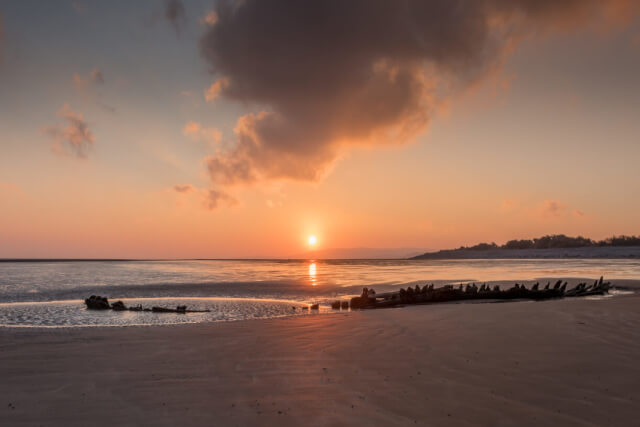
Starting off on this list of locations from The Salt Path is Minehead, a bustling seaside town on the North Somerset coast which marks the official starting point of the South West Coast Path.
Beyond its role as a gateway for walkers, Minehead is also home to a host of shops, independent cafés and classic fish and chip shops to stop off at before you begin your epic journey.
The West Somerset Railway, Britain’s longest heritage railway, also begins here and offers steam train journeys through picturesque countryside to the idyllic village of Bishops Lydeard. Another hotspot is the beautiful Blenheim Gardens, a 6-acre Edwardian park found in the heart of the town.

The next (and final) location in Somerset is Porlock, a picturesque village nestled between the rolling hills of Exmoor and the sweeping Somerset coast.
Well-known for its picturesque thatched cottages and cosy pubs, Porlock has long been a favourite with walkers and nature lovers. The village sits at the foot of the famously steep Porlock Hill, which offers striking views over Porlock Bay and right across the Bristol Channel.
Just a short distance away from the heart of the town is Porlock Weir, a charming harbour hamlet with a row of old cottages and a working tidal harbour that’s formed the heart of the area for centuries.
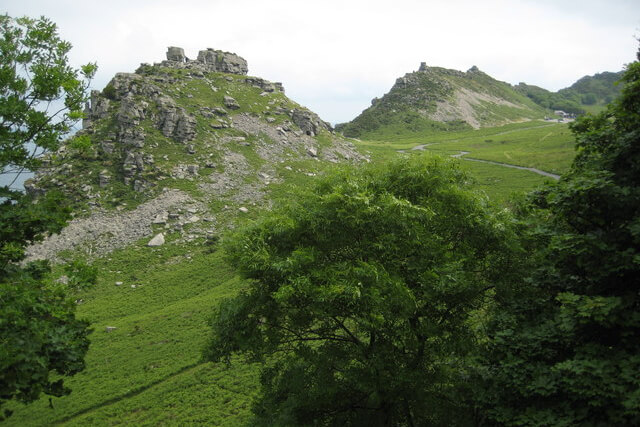
The Valley of the Rocks, just outside the twin towns of Lynton and Lynmouth in North Devon, is one of the most striking and unusual spots along the South West Coast Path.
Running parallel to the sea, this impressive natural landmark is famous for its towering rock formations and dramatic cliffs that offer impeccable views across the Bristol Channel. A place of inspiration for artists and poets for many years, it’s a timeless location that’s hard to compare to many of the fantastic sites along this 630-mile route!
In fact, The South West Coast Path skirts right along the edge of the cliffs here, making it an easy place to stop off during your journey.

Bideford is a historic market town set on the banks of the River Torridge in North Devon. Known for its iconic Long Bridge that dates back to the medieval era, here you’ll find a bustling town centre that features cobbled streets that lead down to the quay.
Not only is it a popular stop-off point on the South West Coast Path, but it’s also a place where tourists and visitors staying in the region flock to for a day trip, being home to loads of great places to eat, drink and shop.
Throughout the year, Bideford’s calendar is also filled with tonnes of community events and festivals, including a popular New Year’s Eve celebration and a summer regatta. The town’s blend of history, local character and easy access to both the North Devon coast and countryside makes it a worthwhile stop for anyone travelling through North Devon or exploring the South West Coast Path.
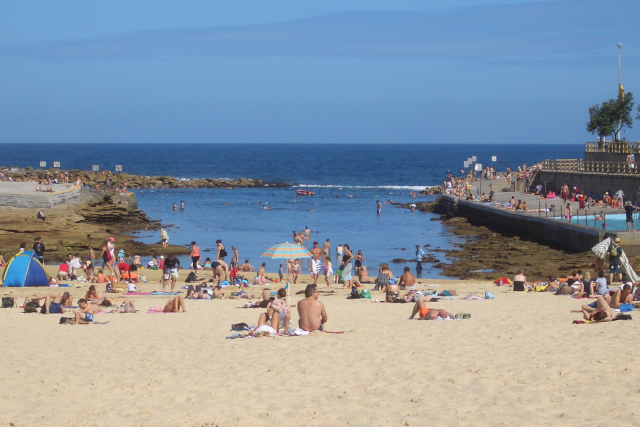
Arguably one of the most beautiful stretches of The Salt Path route is the village of Clovelly and Clovelly Bay.
Wrapping around the Hartland Heritage Coast in North Devon, this wonderful spot on the South West Coast Path is where walkers can stop off to enjoy a trip to the wonderful Clovelly Beach.
Not only that, but here you’ll also have the opportunity to take in the amazing views of the lush coastal cliffs as you head towards the border with Cornwall.
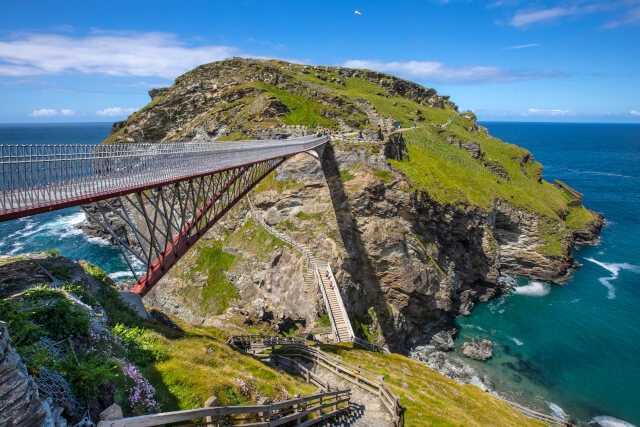
Famous for its association with the legend of Merlin and King Arthur, Tintagel has long been one of Cornwall’s most popular and well-known tourist hotspots.
Here, you can hop off the coastal path right at the entrance to Tintagel Castle, where you can head up onto the headland and explore these unique and historic ruins.
However, before you head back onto the path and continue your journey, be sure take a de-tour into the village itself to see the National Trust-owned Old Post Office and stop off for a bite to eat at King Arthur’s Arms.
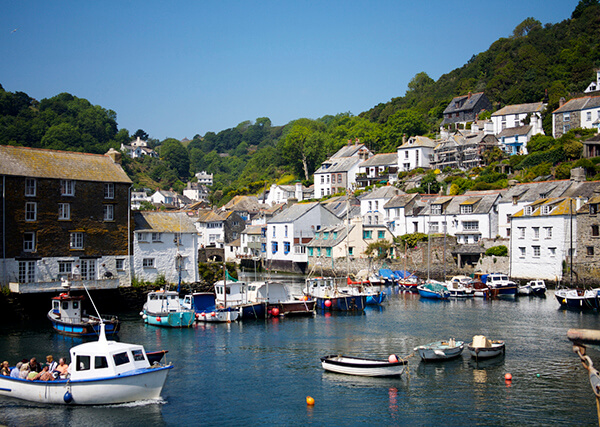
Around 20 miles south of Tintagel is Padstow, another popular tourist hotspot on Cornwall’s northern coastline.
Famous for its well-renowned seafood restaurants and its historic harbour, you’ll reach Padstow from the South West Coast Path by taking the Rock-Padstow Ferry to the town across the River Camel (which is actually part of the official route!).
Whilst here, be sure to make time to have a wander around the National Lobster Hatchery, one of the town’s busiest attractions, or head across the road to the Padstow Museum to learn all about the town’s seafaring history.
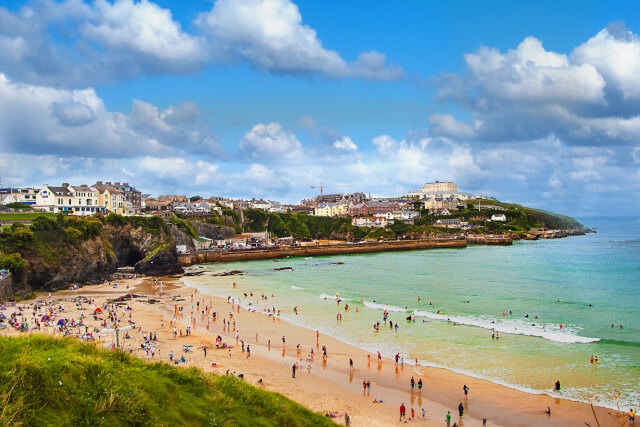
Known as the surfing capital of the UK, Newquay is one of the largest towns in the county and a major stop-off point on The Salt Path trail. Featured in both the original book and film adaptation, the path itself leads into the town from Alexandra Road in the north, passing by each of the town’s beautiful beaches and giving walkers plenty of stunning places to stop off for a rest.
Along the path’s course through the town you’ll pass by the popular Blue Reef Aquarium, as well as the town’s picturesque harbour and the wonderful Fistral and Little Fistral beaches.

Long considered to be two of Cornwall’s most popular tourist destinations, Carbis Bay and St Ives make up one of the busier stretches of the South West Coast Path. Here, the path connects to Beach Road, which runs alongside Carbis Bay Beach and the village of Treloyhan, before reaching Porthminster Beach in St Ives.
Whilst here, be sure to take some time to stop off at one of the many wonderful beaches you’ll pass by. Or, head into St Ives’ bustling town centre and stop off at one of its many pubs, cafés or restaurants in-and-around its beautiful harbour.

At the end of the North Cornwall leg of The Salt Path is Land’s End, one of the most famous landmarks in the UK and known for being the South-Westernmost point in the British Isles (the southernmost is actually the Lizard Peninsula, contrary to popular belief!).
Here, the coastal path goes right past the First & Last House, as well as the iconic Land’s End sign and the First & Last Postbox before banking around the headland into South Cornwall.

Home to one of the most iconic landmarks on the South Cornwall coast, Marazion is a quaint and historic harbour village that sits directly opposite the imposing castle on St Michael’s Mount. In the village itself, you’ll find a network of cobbled streets lined with idyllic stone cottages leading down to the harbour, where you’ll find a handful of old-world pubs and cosy cafés.
Here, the coastal path ends at Kings Road next to Marazion Beach, where, if the tide is out, you can hop onto the causeway and explore St Michael’s Mount for yourselves. However, we’d highly recommend checking the tide times well in advance of visiting to prevent getting caught out!
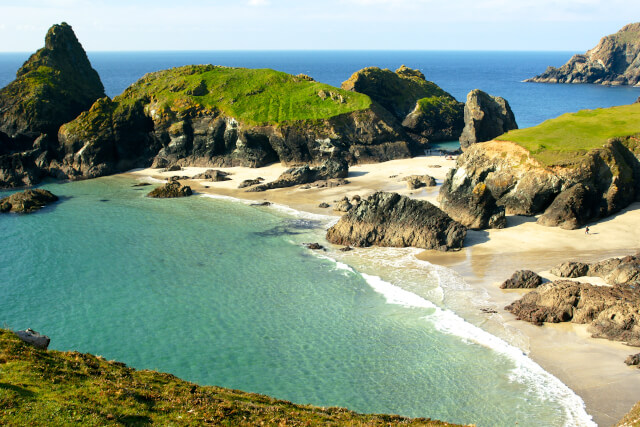
Often touted as one of the most beautiful beaches in the UK, Kynance Cove is a place you simply can’t miss out on visiting. Famous for its clear blue water, white sands and unique rock formations, the coastal path takes walkers right down to the shore, meaning that you won’t have to take any unnecessary detours to get here.
At the foot of the beach, you’ll find the cosy Kynance Cove Café, where you can stop off for a drink and a bite to eat. Also, it’s well worth noting that this beach can get extremely busy, particularly during the spring and summer months of the year, so we’d highly recommend arriving here outside peak hours to truly experience its natural beauty!
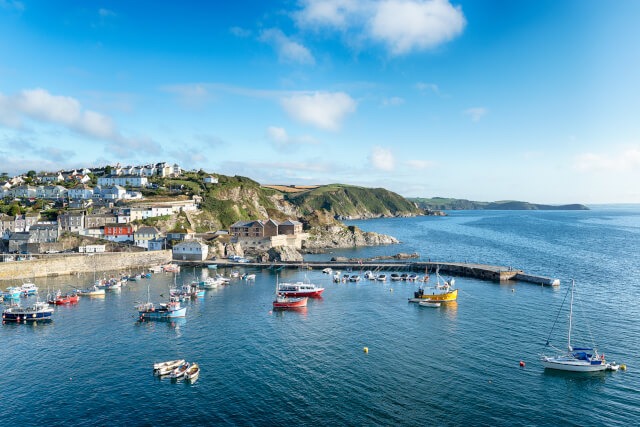
Another brilliant hotspot is the bustling harbour town of Mevagissey, found just south of the town of St Austell and, like many other places along the South Cornwall coast, is best known for its historic harbour and boasting tonnes of Cornish charm.
Here, the coastal path leads right up to the the town’s ferry landing, which can take you across the bay to the town of Fowey and can make for a wonderful way to skip ahead of the route. However, be sure to stop off at the Mevagissey Museum to explore the town’s rich history and grab a bite to eat at one of the many cafés or restaurants around the harbour before you go!

If you choose to take the ferry from Mevagissey, the next place you’ll end up is the lovely town of Fowey, a bustling town that sits at the mouth of the River Fowey and opposite the village of Polruan. Once you arrive in the town, take a walk over to the Fowey Aquarium and explore the historic town centre before heading down to Whitehouse Quay to take the ferry across the river.
Then, once you’ve taken the time to explore Polruan, simply head south and rejoin the coastal path at its entrance on St Saviour’s Hill, where you’ll continue your journey through the Polperro Heritage Coast. Before crossing into South Devon, you’ll also pass the bustling seaside town of Looe, as well as the Rame Head peninsula, before taking the ferry from Cremyll to the city of Plymouth.

After disembarking the ferry from Cremyll, you’ll find yourselves in the bustling city of Plymouth, a hotspot for history enthusiasts and a key waypoint on the South West Coast Path; not only is it the largest settlement on the route, but it’s also a popular place to either start or complete your journey, depending on how long you’ve already been walking for!
Whilst here, take some time to explore the lovely Hoe Park near the waterfront, where you’ll find the iconic Smeaton’s Tower (one of the world’s oldest lighthouses), before taking a walk around to the Mayflower Steps where the pilgrims first embarked on their journey to the New World. Another great place that’s worth checking out here is the National Marine Aquarium, which is just down the road from where the coastal path continues eastward.

Near to the southernmost point in Devon is the wonderful town of Salcombe. Nestled alongside a natural harbour on the beautiful Kingsbridge Estuary, it’s a place that’s known for hosting a variety of annual events such as the Salcombe Food & Drink Festival and the famous Salcombe Regatta, which draws in sailing enthusiasts from all over the British Isles.
Along with its fantastic festivals and its popular local culinary scene, Salcombe is also known for its many beautiful beaches that line either side of the estuary, which are worth stopping off at for a bit of rest and relaxation during your journey. When you’re ready to continue, hop on the ferry from the harbour to East Portlemouth. From here, take a right and head south towards Mill Bay, where you can rejoin the coastal path at the National Trust car park.
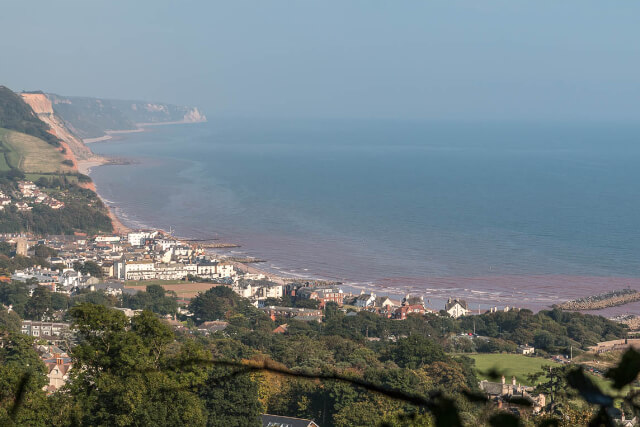
The seaside town of Sidmouth is the last place you’ll pass through on the Devon stretch of the South West Coast Path, which takes walkers past the popular Jacob’s Ladder Beach and The Clock Tower Café, before ending at the Promenade and the town’s main beach.
If you plan on taking a break here, then we’d recommend heading up Fore Street (the town’s main thoroughfare) where you’ll find tonnes of great local and high street shops, as well as plenty of pubs, restaurants and a handful of quaint art galleries.
When you’re ready to continue your journey, you can rejoin the South West Coast Path by crossing over the Alma Bridge before heading up Cliff Road. Then, take a right onto Laskeys Lane and another onto Alma Lane, at the end of which you’ll find the entrance to the path.
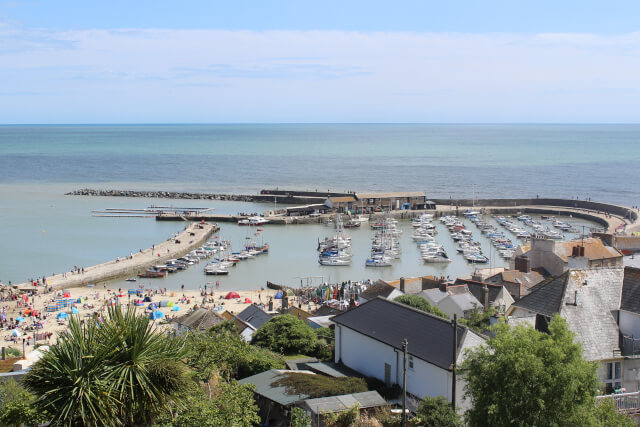
Dorset makes up the final stretch of the South West Coast Path, and the first place you’ll arrive at once you cross into the county from Devon is the famous seaside town of Lyme Regis. At the point where the path reaches the town, you’ll find yourselves on Ozone Terrace next to the fantastic Monmouth Beach. Once here, take a left and continue along the road for a couple of minutes until you reach the town’s harbour and Lyme Regis Beach.
Then, before reaching the town centre, be sure to take a wander through the Langmoor & Lister Gardens before arriving at the Millennium Clock. Here, simply take a right onto Bridge Street, and you’ll find yourselves right in the heart of the town. Before continuing your journey, be sure to stop off at The Pilot Boat or the Town Mill Bakery for a drink and a bite to eat. To continue, simply make your way northwards up Charmouth Road before taking the turn-off to the right to rejoin the coastal path.
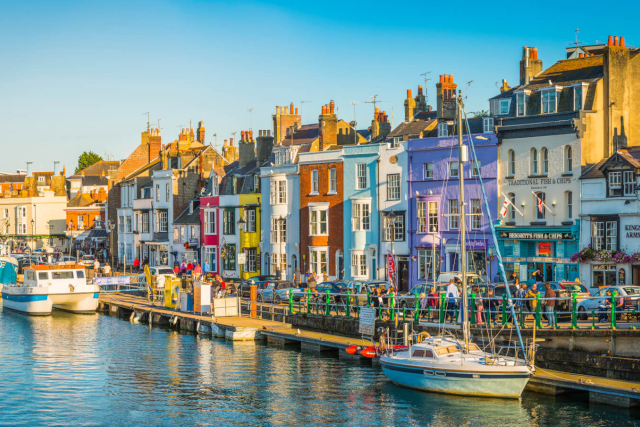
Found on the southern tip of the Dorset is the seaside town of Weymouth, roughly marking the halfway point on the county’s Jurassic Coast. Following the path into the town, you’ll initially arrive at the main road that connects the mainland to the Isle of Portland. If you take a right and follow the main road for a couple of minutes, you’ll reach the entrance to Chesil Beach, an iconic location that’s featured in many creative works over the years.
After hopping back onto the path, you’ll start making your way around the headland towards the town centre, passing Sandsfoot Castle, Newton’s Cove and Nothe Fort as you go. Once you’ve arrived in the town centre, be sure to take some time to soak up the sunshine at its wonderful beach, which runs directly alongside the South West Coast Path.
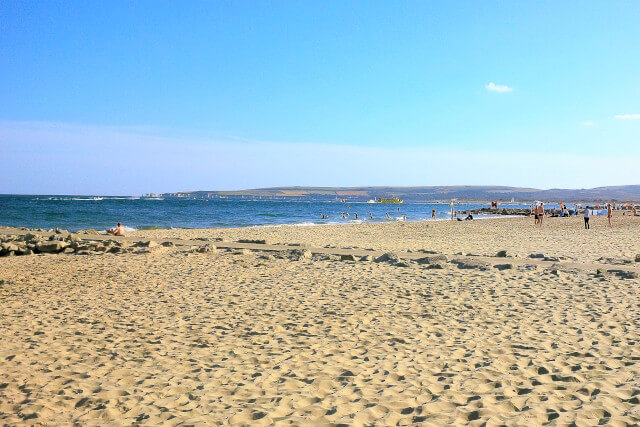
The last location on the South West Coast Path is Sandbanks, an affluent neighbourhood of Poole and a place that’s famous for being the home of many celebrity faces past and present. Here, you’ll find the end point marker at the Shell Bay Ferry Terminal, which you’ll use to cross over to Sandbanks and complete your epic Salt Path-inspired journey.
If you have enough time, we’d highly recommend taking the opportunity to enjoy a rewarding meal at The Point restaurant before heading down to the award-winning Sandbanks Beach to witness its natural beauty for yourselves!
Yes, you can — The Salt Path follows the South West Coast Path, a 630-mile National Trail stretching from Minehead in Somerset to Poole in Dorset. It’s open to the public and can be walked in sections or as a full long-distance hike.
Walking the full 630-mile South West Coast Path typically takes 7 to 8 weeks at a steady pace. Whilst faster and more experienced hikers might complete it in around 30 days, the vast majority of walkers tend to spread their journey out over multiple trips.
Whilst large sections of the route are relatively easy and manageable for beginners, embarking on the full route is physically demanding, featuring steep climbs and rugged terrain throughout. Therefore, we’d advise new walkers to tackle shorter, well-marked sections before attempting longer stretches.
The Salt Path follows the route of the South West Coast Path, which begins in Minehead and ends at Poole Harbour, just outside the town of Bournemouth. All-in-all, this 630-mile National Trail winds along the coasts of North Somerset, North Devon, North Cornwall, South Cornwall, South Devon and Dorset before reaching its final point at South Haven Point.
Yes, there certainly are! In fact, some of the most popular towns, villages and seaside resorts can be found along the route, home to a host of lovely properties that many of which can be booked directly through Coast and Country Holidays! Here’s just a few of our favourites:
– Noss Mayo
– Thurlestone
– Salcombe
– Hallsands
– Dartmouth
– Stoke Gabriel
Hoping to experience some of these wonderful places for yourself? Then you’re in luck, as there’s loads of great holiday cottages in South Devon available to explore and book! On the other hand, if you’re just looking to stay as close to the region’s beaches as you can, then these coastal cottages are well worth checking out.
Image Credits: J Bar – (CC BY-SA 3.0); Peter Trimming – (CC BY-SA 2.0); Robin Lucas – (CC BY-SA 2.0); Martin Bodman – (CC BY-SA 2.0); Derek Harper – (CC BY-SA 2.0); Christine Matthews – (CC BY-SA 2.0); Martinvl – (CC BY-SA 4.0) Philip Halling – (CC BY-SA 2.0); Lewis Clarke – (CC BY-SA 2.0)

I'm Rob and I joined the Sykes team in February 2024. I am a passionate writer and have always enjoyed holidays in the UK, especia...
Read More About Author
Sign up to receive exclusive offers, competitions and the latest news to your inbox, and you'll be entered into our monthly prize-draw 3 times!
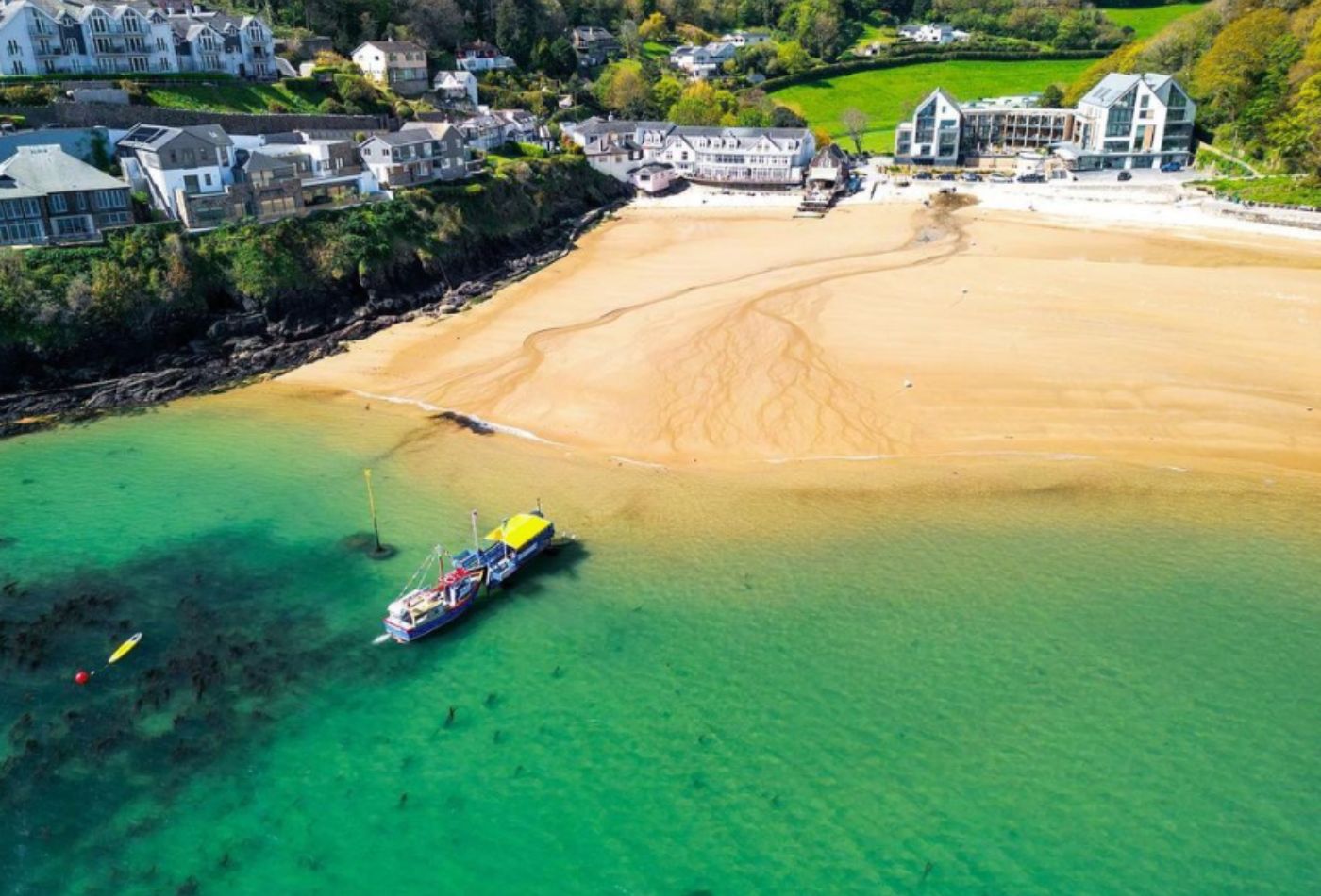
‘South Devon’ and ‘beaches’ go together like clotted cream and scones, but with plenty of craggy cliffs, coves and...
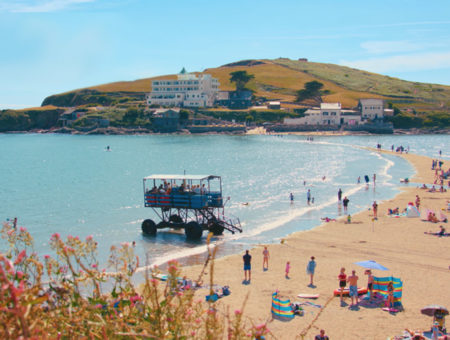
The village of Bigbury‑on‑Sea, set on the picturesque south coast of South Devon, overlooks sweeping Bigbury Bay and stunning...
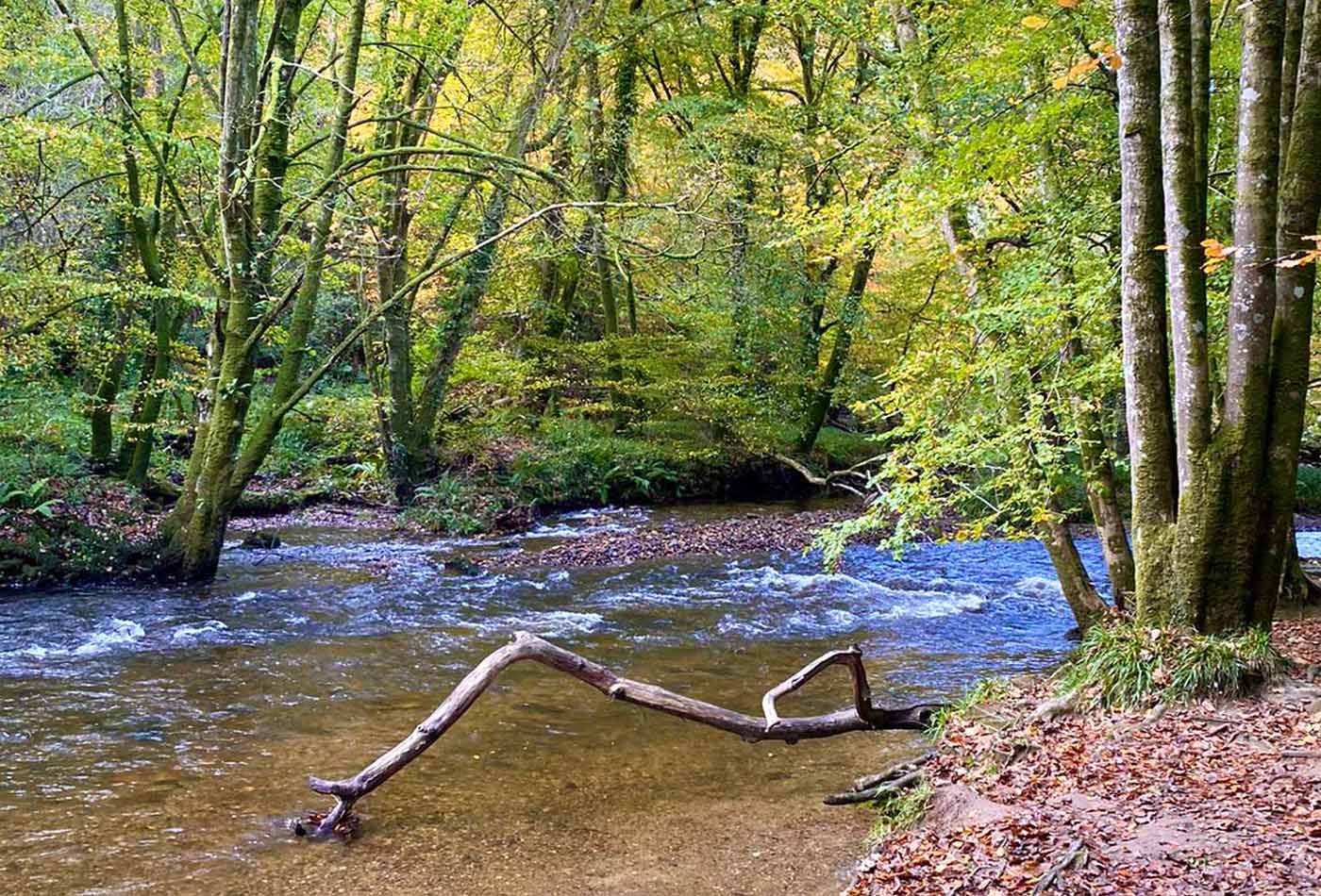
When it comes to scenery, most of us associate South Devon with its unspoilt farmland and varied coastline incorporating...

